
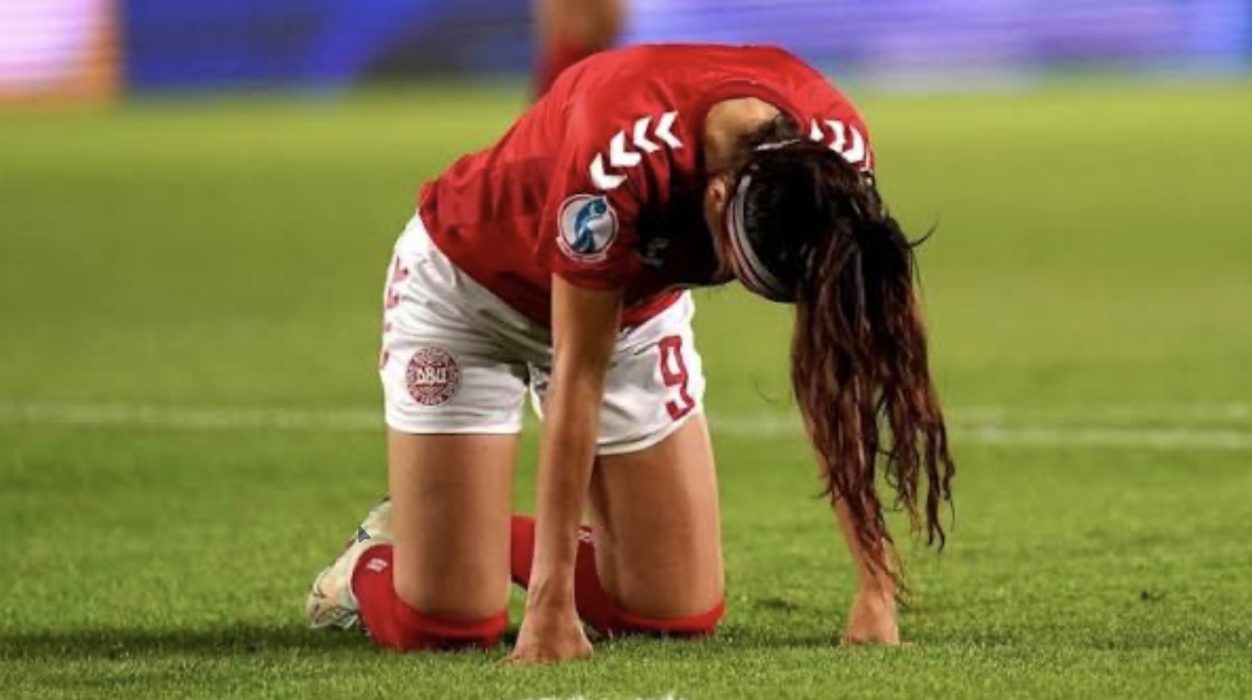
ACL Injuries in Female Athletes: Prevention, Recovery and Returning Stronger
20 July 2026
Anterior Cruciate Ligament (ACL) injuries are among the most challenging injuries an athlete can face. They can be physically demanding, emotionally draining, and often require many months of structured rehabilitation before a safe return to sport.
While ACL injuries can affect anyone, research consistently shows that female athletes are at a significantly greater risk than their male counterparts in sports involving jumping, landing, cutting, and rapid changes of direction.
At TA Physiotherapy in Henley-on-Thames, Emma Spong and Tom Astley work with active women and female athletes to support every stage of ACL recovery—from injury prevention and prehabilitation through to return-to-sport testing and long-term performance development.
Why Are ACL Injuries More Common in Female Athletes?
Research has shown that female athletes participating in sports such as football, netball, basketball, and handball can experience ACL injuries at rates between two and eight times higher than males competing in similar sports.
Whilst there is no single cause, several factors are thought to contribute:
Movement and Landing Mechanics
Many ACL injuries occur during non-contact situations such as:
- Landing from a jump
- Sudden deceleration
- Cutting or changing direction
- Pivoting on one leg
Female athletes often demonstrate different movement patterns during these activities, including increased knee valgus (inward movement of the knee) and altered landing strategies, which may increase ACL loading.
Strength and Neuromuscular Control
Deficits in:
- Hamstring strength
- Gluteal strength
- Hip stability
- Trunk control
can influence how forces are absorbed during sport.
A well-designed strength and conditioning programme can significantly improve these qualities and may reduce injury risk.
Training Load and Recovery
Many female athletes balance demanding training schedules alongside work, education, and family commitments.
Inadequate recovery can contribute to fatigue, which may affect movement quality and injury resilience.
Relative Energy Deficiency in Sport (RED-S)
Insufficient energy availability can negatively impact:
- Recovery
- Bone health
- Muscle function
- Performance
This can increase injury susceptibility and delay recovery following injury.
What Happens After an ACL Injury?
An ACL injury can occur with or without contact.
Many athletes describe:
- A popping sensation
- Immediate swelling
- Instability or giving way
- Difficulty continuing activity
Following assessment and imaging, treatment may involve either:
Surgical Management
ACL reconstruction remains a common option for athletes wishing to return to pivoting sports such as football, rugby, hockey, netball, and skiing.
Non-Surgical Management
Not every ACL injury requires surgery.
Some individuals can return successfully to sport and activity with structured rehabilitation alone.
The right pathway depends on:
- Sporting goals
- Knee stability
- Associated injuries
- Lifestyle demands
A comprehensive assessment is essential to determine the most appropriate option.
Why Rehabilitation Matters More Than Surgery
One of the biggest misconceptions surrounding ACL injuries is that surgery alone fixes the problem.
In reality, rehabilitation is the most important component of recovery.
Research suggests that many athletes return to sport before restoring adequate strength and function, which can increase the risk of re-injury.
Successful ACL rehabilitation focuses on:
Restoring Strength
Particular attention is paid to:
- Quadriceps strength
- Hamstring strength
- Calf strength
- Hip and glute strength
Rebuilding Confidence
Fear of movement and fear of re-injury are common barriers to successful return to sport.
Progressive exposure to sport-specific movements helps rebuild confidence and trust in the knee.
Developing Athletic Capacity
Modern ACL rehabilitation extends beyond basic exercises.
Athletes must prepare for:
- Sprinting
- Jumping
- Landing
- Cutting
- Deceleration
- Reactive decision making
These skills are critical for returning safely to competitive sport.
When Can You Return to Sport?
One of the most common questions after ACL reconstruction is:
“How long until I can play again?”
While every athlete is different, current evidence supports criteria-based rehabilitation rather than simply following a timeline.
This means athletes should demonstrate:
- Full knee range of motion
- Minimal swelling
- Strength symmetry
- Hop test performance
- Sport-specific readiness
- Psychological confidence
Many athletes return to full competition between 9 and 12 months following ACL reconstruction, although some may require longer depending on their sport and progress.
Female Athlete Support at TA Physiotherapy Henley
At our Henley-on-Thames clinic, we understand that female athletes are not simply smaller versions of male athletes.
Training history, sporting demands, recovery patterns, and injury risk factors can all influence rehabilitation.
Emma Spong’s background working within elite sport provides valuable insight into the challenges faced by female athletes at every level of participation.
Whether you are recovering from ACL surgery, managing a knee injury, or looking to reduce your risk of future injury, our team can help you develop a personalised plan that supports your long-term goals.
Returning Stronger Than Before
An ACL injury can feel like a major setback, but it does not have to define your sporting future.
With the right rehabilitation programme, many athletes return stronger, more resilient, and better prepared for the demands of their sport than before their injury.
At TA Physiotherapy, our goal is not simply to help you return to sport—it is to help you return with confidence.
If you’re recovering from an ACL injury or looking to reduce your risk of injury, book an assessment with our team at Badgemore Park Golf Club in Henley-on-Thames.
References
- Arendt EA, Agel J, Dick R. Anterior Cruciate Ligament Injury Patterns Among Collegiate Men and Women. Journal of Athletic Training. 1999.
- Beynnon BD, Vacek PM, Newell MK, et al. The Effects of Sex and Sport on ACL Injury Risk. American Journal of Sports Medicine. 2014.
- Webster KE, Feller JA. Return to Sport Following ACL Reconstruction. Sports Medicine. 2019.
- Grindem H, Snyder-Mackler L, Moksnes H, et al. Simple Decision Rules Can Reduce Reinjury Risk Following ACL Reconstruction. British Journal of Sports Medicine. 2016.